Udgiri Pathar – Maharashtra’s Hidden Mini Kaas Plateau Near Chandoli National Park

You are currently viewing Udgiri Pathar – Maharashtra’s Hidden Mini Kaas Plateau Near Chandoli National Park
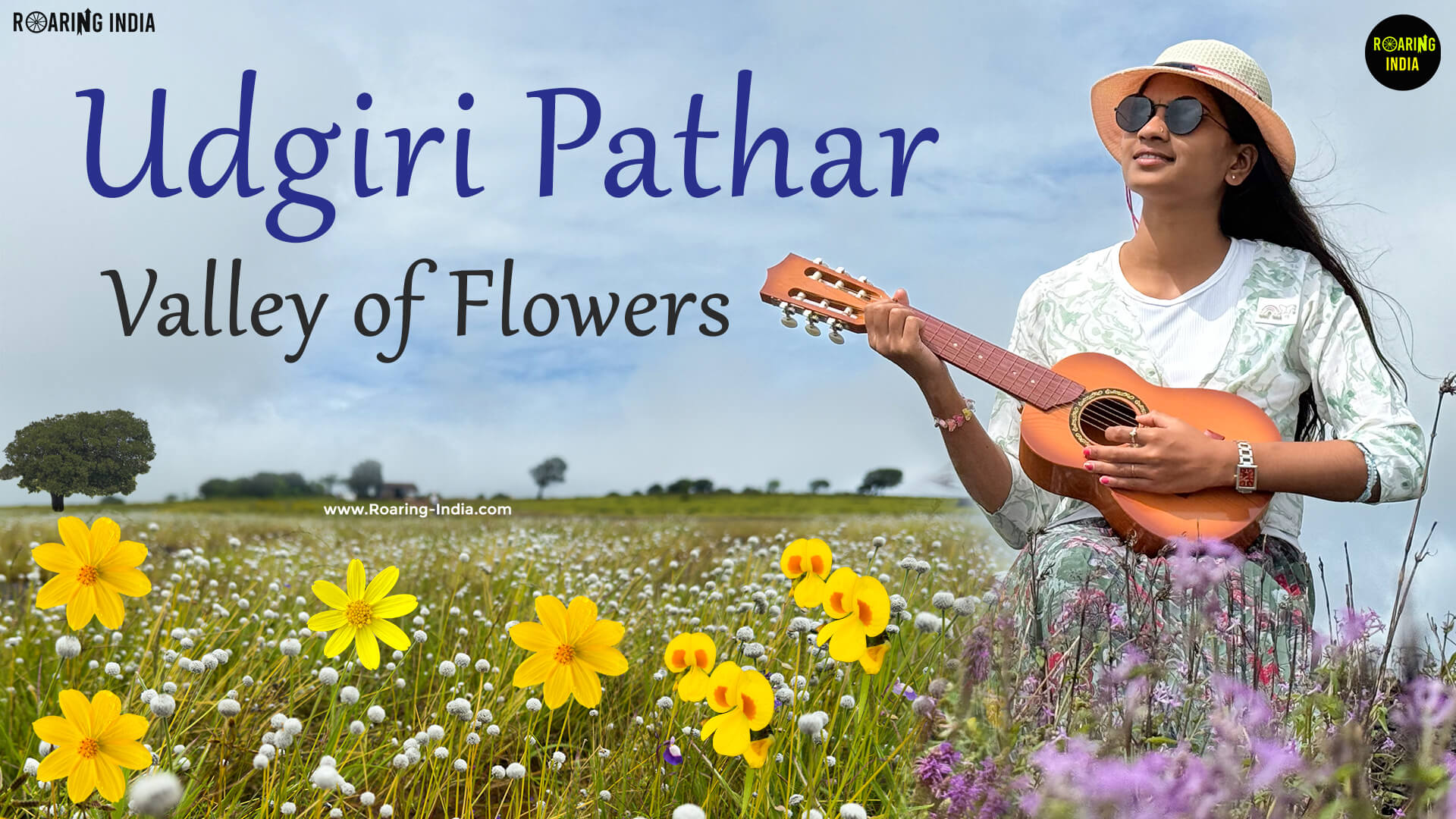
Udgiri Pathar Valley of Flowers

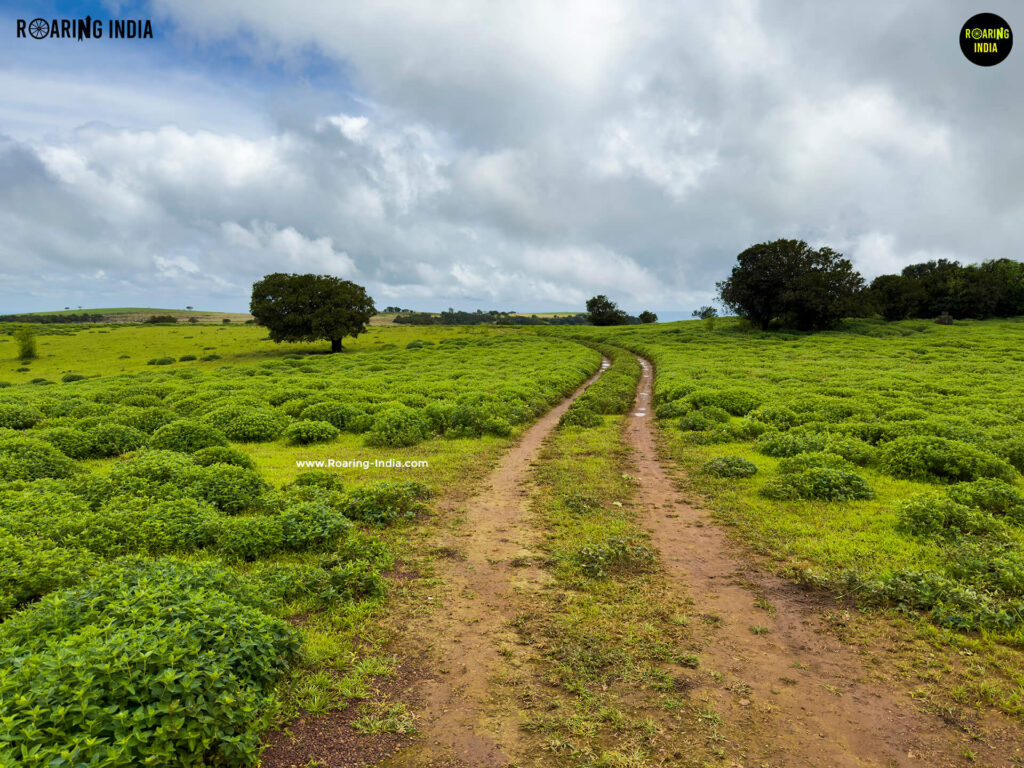
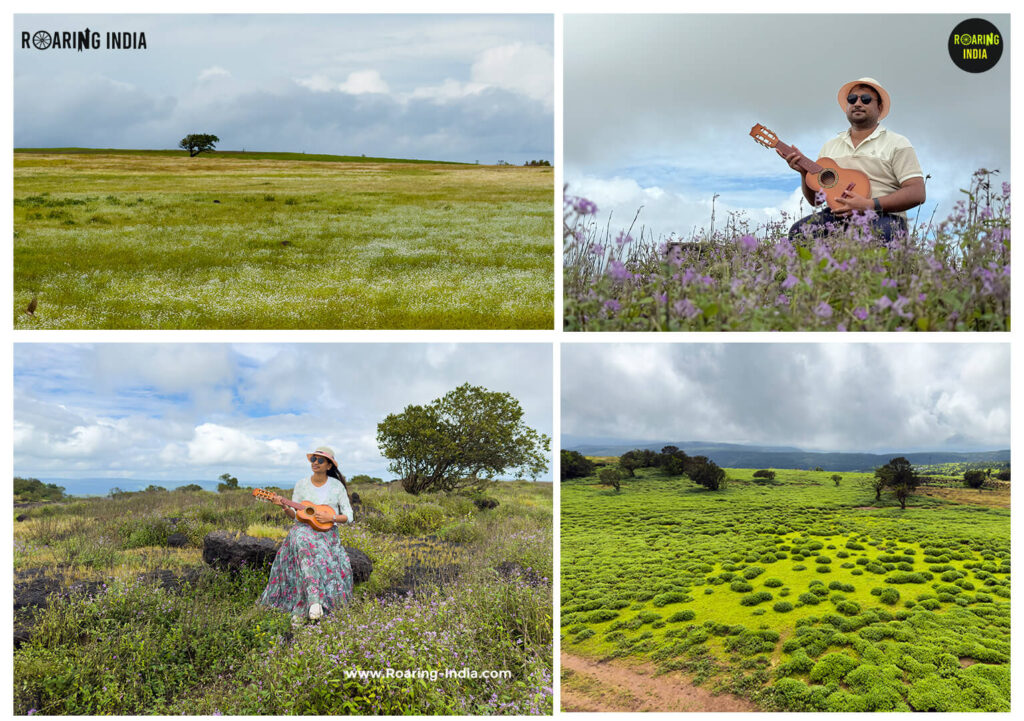
                Udgiri Pathar, popularly known as Udgiri Plateau or Maharashtra’s Hidden Mini Kaas Plateau, is one of the most beautiful hidden valleys of flowers in the Western Ghats. Located near Udgiri Village in Shahuwadi Taluka, Kolhapur District, Maharashtra, this breathtaking plateau lies inside the buffer zone of Sahyadri Tiger Reserve and Chandoli National Park. Every monsoon, the rocky laterite plateau transforms into a colourful valley with thousands of seasonal wildflowers, mist-covered mountains, lush forests, and unforgettable landscapes. If you are looking for a peaceful alternative to the famous Kaas Plateau, away from heavy crowds and surrounded by untouched nature, Udgiri Pathar is a destination that deserves a place on your travel bucket list.  

Udgiri Pathar Top View

Speciality of Udgiri Pathar

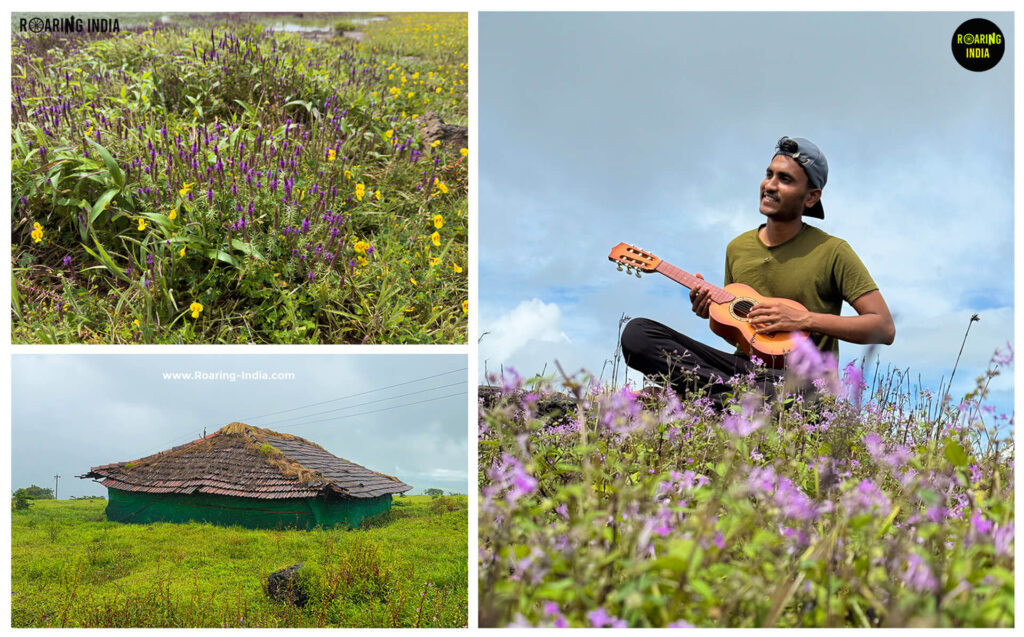
            Udgiri Plateau is one of the richest seasonal wildflower plateaus in the Sahyadri range and is often called the Valley of Flowers of Chandoli. The plateau blooms for only a few weeks after the monsoon, creating a colourful natural carpet across its grasslands. Udgiri Pathar is the home to 100+ species of seasonal wildflowers found across the Western Ghats including: Paper Flowers,  Little Bell Morning Glory, The Flame Lily, Yellow Cosmos (Wild Marigold), Halunda (Wild Moong), Railway Creepers, Karvi Flowers, Bada Chirayata,  Gendu Grass (Pipeworts), Sitache Ashru, Jambhali Manjiri,  Hairy Smithia (Mickey Mouse flowers), Sonki Flowers (Graham’s Groundsel), Jangli Neel, Gulmehandi (Marsh Balsam), and many other endemic species. 

Udgiri Pathar – Maharashtra's Hidden Mini Kaas Plateau

1. Paper Flower (Bougainvillea)

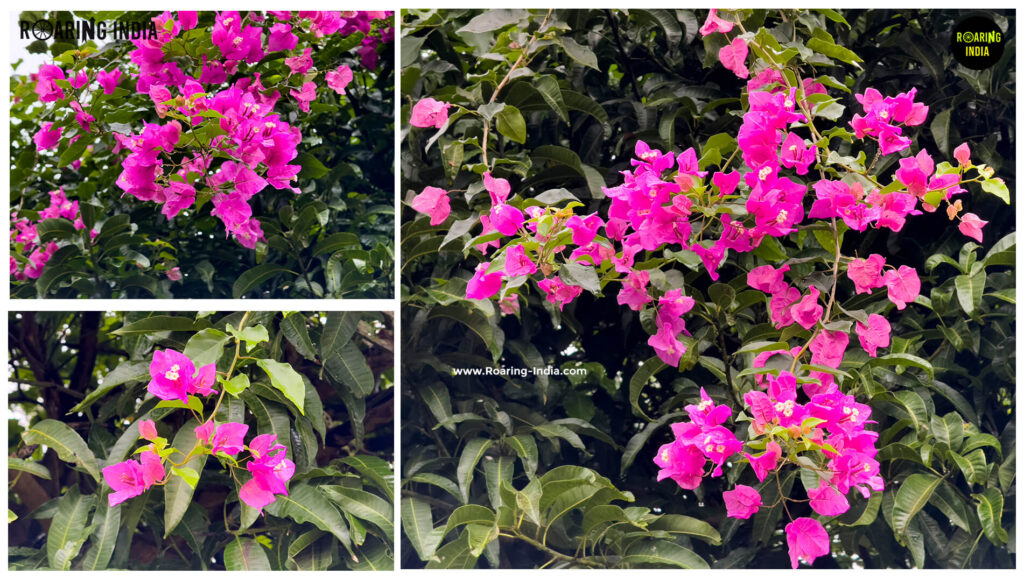
            The Paper Flower, scientifically known as Bougainvillea, is one of the most beautiful flowering plants found across the Sahyadri. The colorful pink, red, purple, or white parts that look like petals are actually bracts—modified leaves—while the tiny white or cream-colored flowers are hidden at the center. These thin, dry bracts have a paper-like texture, which gives the plant its name. Bougainvillea grows easily in hot weather, needs very little water, and its sharp thorns help protect it from grazing animals, making it both beautiful and highly resilient.

Paper Flower (Bougainvillea)

2. Little Bell Morning Glory Flower

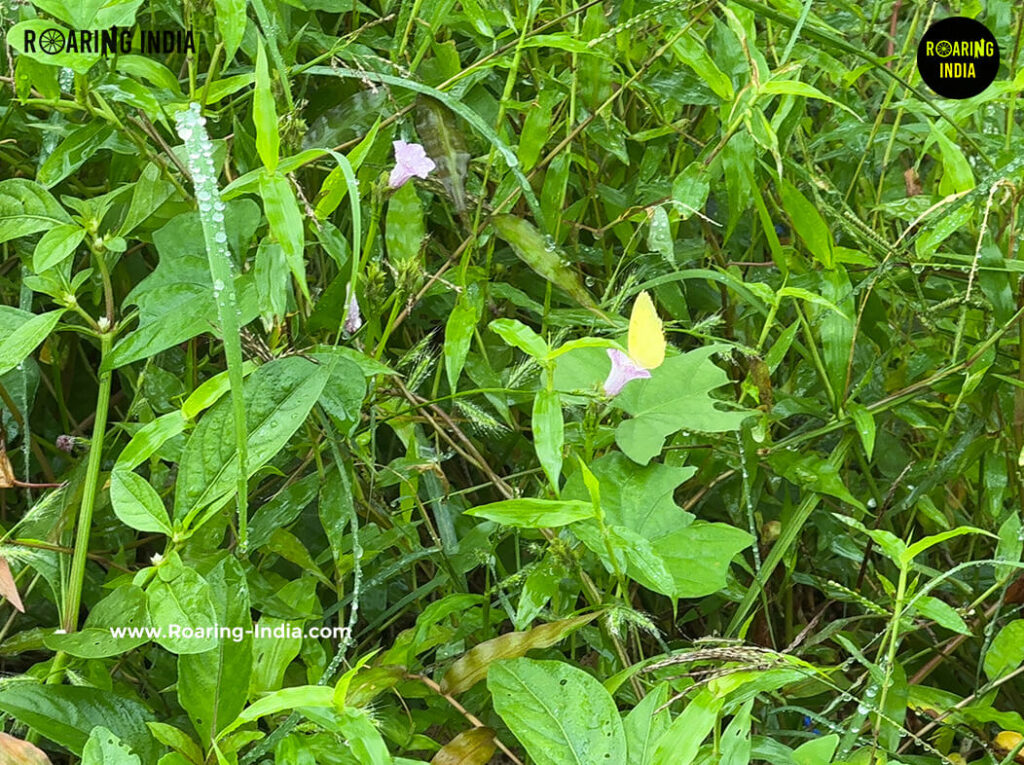
               The Little Bell Morning Glory, also known as Three-Lobe Morning Glory and locally called Lakshmana, is a tiny wildflower that spreads across the grasslands of Udgiri Plateau on a delicate creeping vine. Its soft lavender and pink trumpet-shaped flowers add beautiful colour to the monsoon landscape. One of its most interesting features is its morning bloom, as the flowers open with the morning light and gradually fade later in the day.

Little Bell Morning Glory Flower

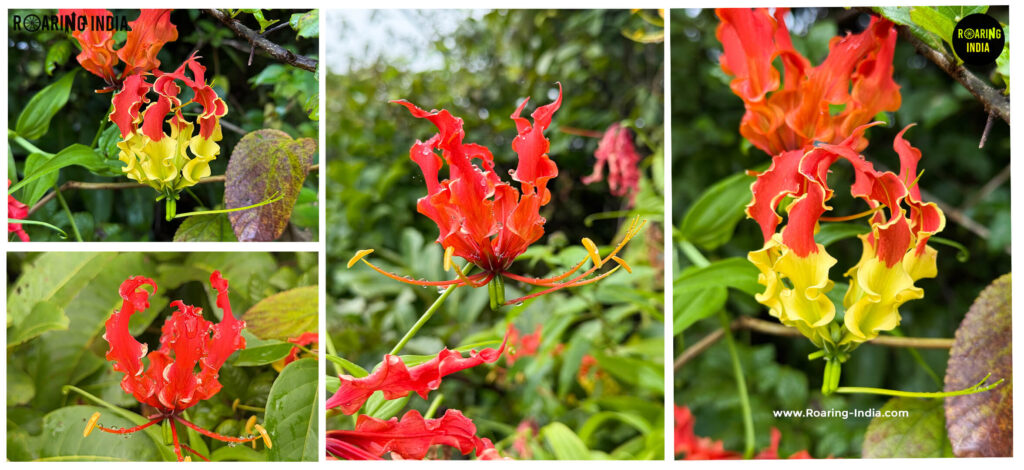
3. Flame Lily (Gloriosa Superba)

              The Flame Lily, scientifically known as Gloriosa superba, is one of the most striking wildflowers found on Udgiri Plateau. Locally known as Agnishikha, Kalihari, or Langali, its twisted red and yellow petals look like dancing flames, giving it the name Agnishikha or “Flame of Fire.” This perennial climbing vine changes colour as it matures, from yellow-red to deep crimson red. It is the National Flower of Zimbabwe and the State Flower of Tamil Nadu. Although highly poisonous in nature, it has also been used in Ayurveda in carefully controlled quantities for traditional medicinal treatments.

Flame Lily (Gloriosa Superba)

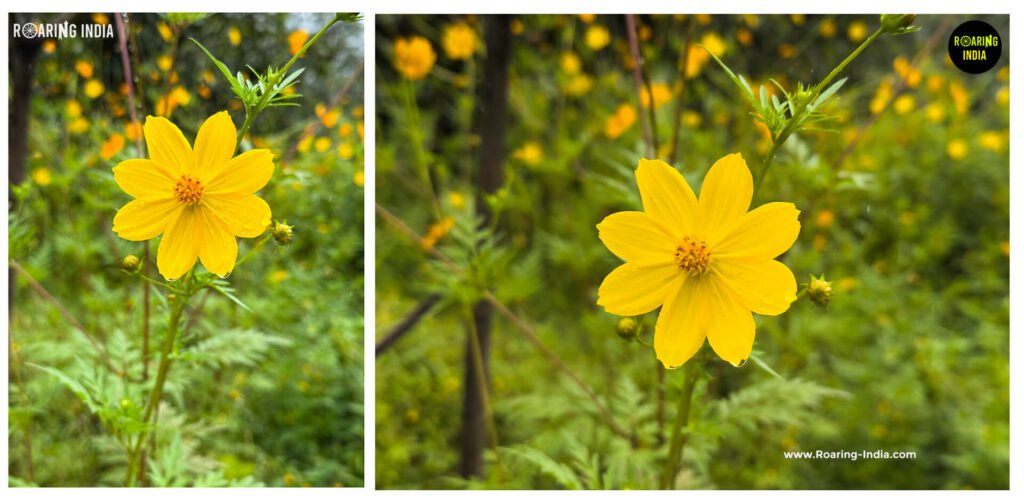
4. Yellow Cosmos (Wild Marigold)

               Yellow Cosmos, scientifically known as Cosmos sulphureus, is a bright wildflower that covers the Udgiri Plateau with shades of yellow and orange during the monsoon. Also called Wild Marigold, it belongs to the Asteraceae family, just like the common marigold, which is why both flowers have a similar circular shape and vibrant colours. Unlike garden marigolds, Yellow Cosmos grows naturally in open fields, farmlands, and along mountain roads, earning it the nickname the wild cousin of the marigold in the Sahyadri.

Yellow Cosmos (Wild Marigold)

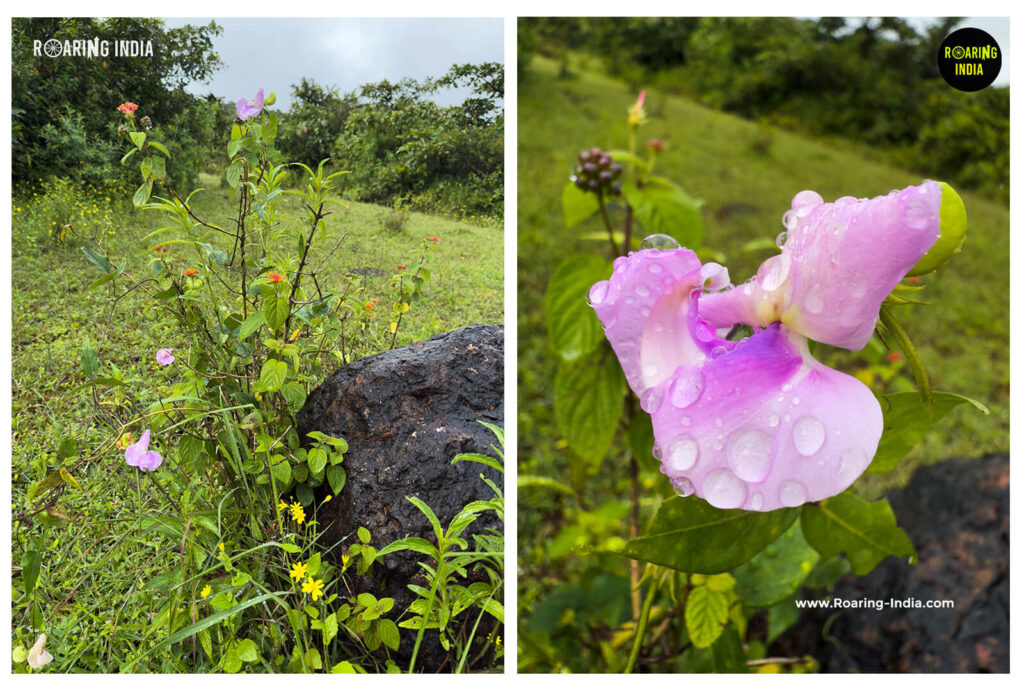
5. Halunda (Wild Moong)

                      Halunda, also known as Wild Moong, is a beautiful wild plant commonly found along the grasslands of Udgiri Plateau. Scientifically known as Vigna Vexillata, it is easily recognized by its delicate pinkish-purple flowers blooming among bright green leaves. It belongs to the same Vigna genus as cultivated Green Gram (Vigna Radiata), which is why it is called Wild Moong. After the monsoon, these colourful blossoms spread naturally across the plateau, adding a beautiful contrast to the lush green landscape.

Halunda (Wild Moong)

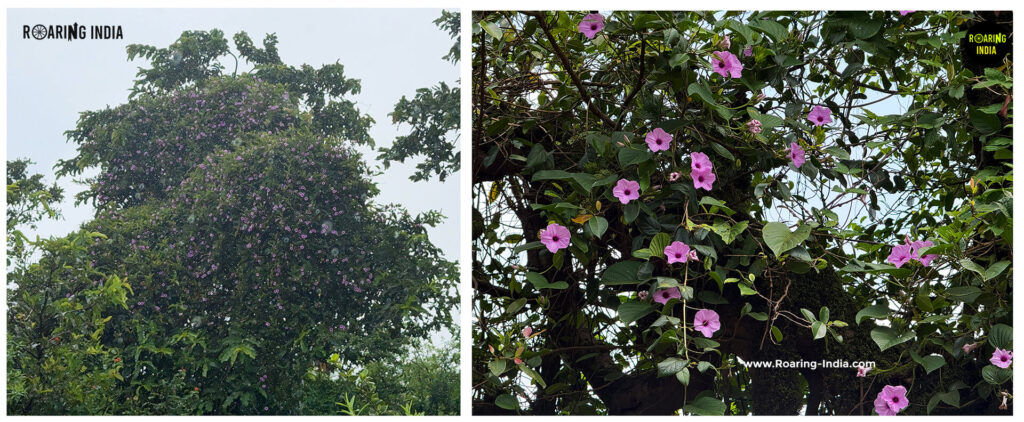
6. Railway Creeper (Ipomoea Cairica)

               The Railway Creeper, scientifically known as Ipomoea Cairica, a fast-growing perennial vine from the Morning Glory family. It spreads along the ground and climbs trees and nearby structures, quickly covering even large trees. Its beautiful trumpet-shaped flowers range from purple to light pink. During the British era, it was planted along railway tracks to cover iron poles and wire fences, which is how it got the name Railway Creeper.

Railway Creeper (Ipomoea Cairica)

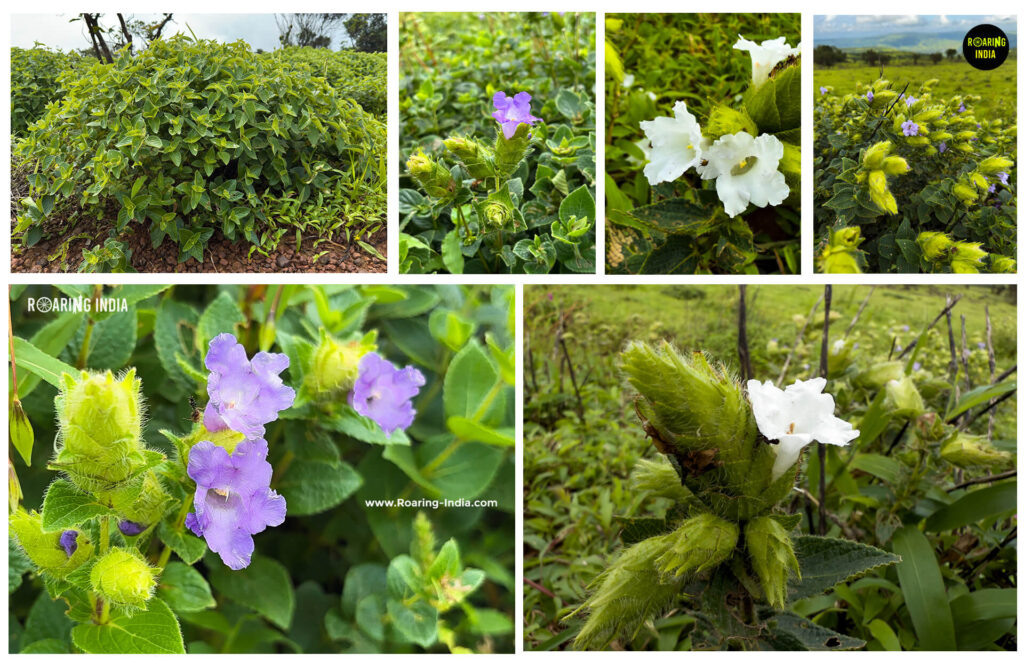
7. Karvi (Strobilanthes Callosa)

                        Karvi (Strobilanthes Callosa), locally known as Topli Karvi or Basket Karvi, is a medicinal-rich plant native to the Western Ghats of India and commonly found across Maharashtra. It is famous for an extraordinary biological clock that remains silent for seven years before bursting into a grand, synchronized mass flowering event every eighth year, covering entire hillsides in a blanket of blue-purple flowers. Tragically, the entire plant dies immediately after this once-in-a-lifetime bloom to make way for a new generation. While it typically paints valleys purple, discovering its rare, pure white variant is considered a treasure by scientists. Following its last major bloom in 2024, the next mass spectacle is expected around 2032. However, if you look closely in the years between, you can still find a patient, lucky handful of these flowers blooming early in shades of blue and white.

Karvi (Strobilanthes Callosa)

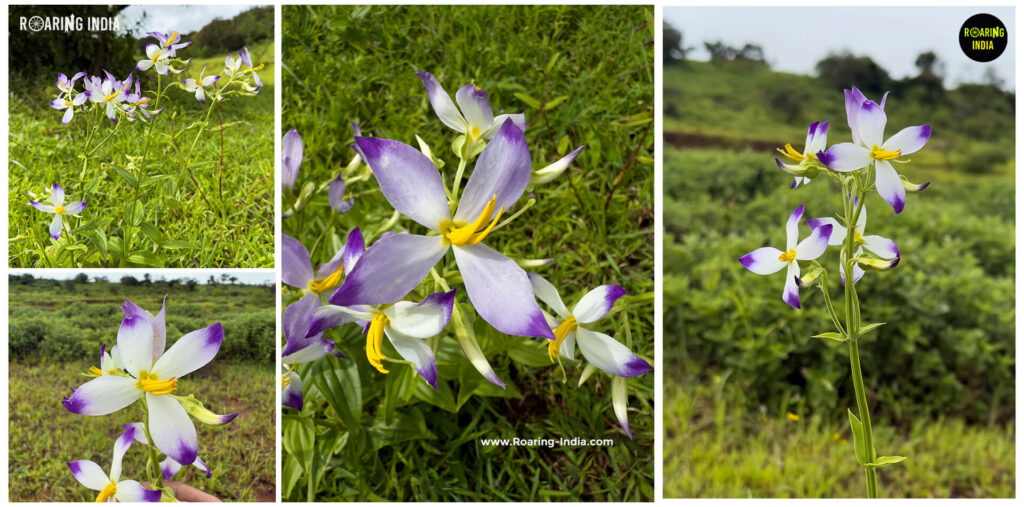
8. Bada Chirayata (Exacum Bicolor)

              The Bada Chirayata (Exacum Bicolor), known in Marathi as Udi Chirayat, is a rare medicinal herb that blooms after the monsoon across the moist grasslands of the Western Ghats and the Udgiri Plateau. This striking two-colored flower is highly sensitive to the environment, growing only in untouched, pollution-free ecosystems. Because of this sensitivity, its large-scale blooming serves as a crucial bio-indicator for scientists, signaling a healthy and well-protected grassland habitat. Traditionally used to treat respiratory disorders, this unique flower stands as a beautiful testament to a thriving ecosystem.

Bada Chirayata (Exacum Bicolor)

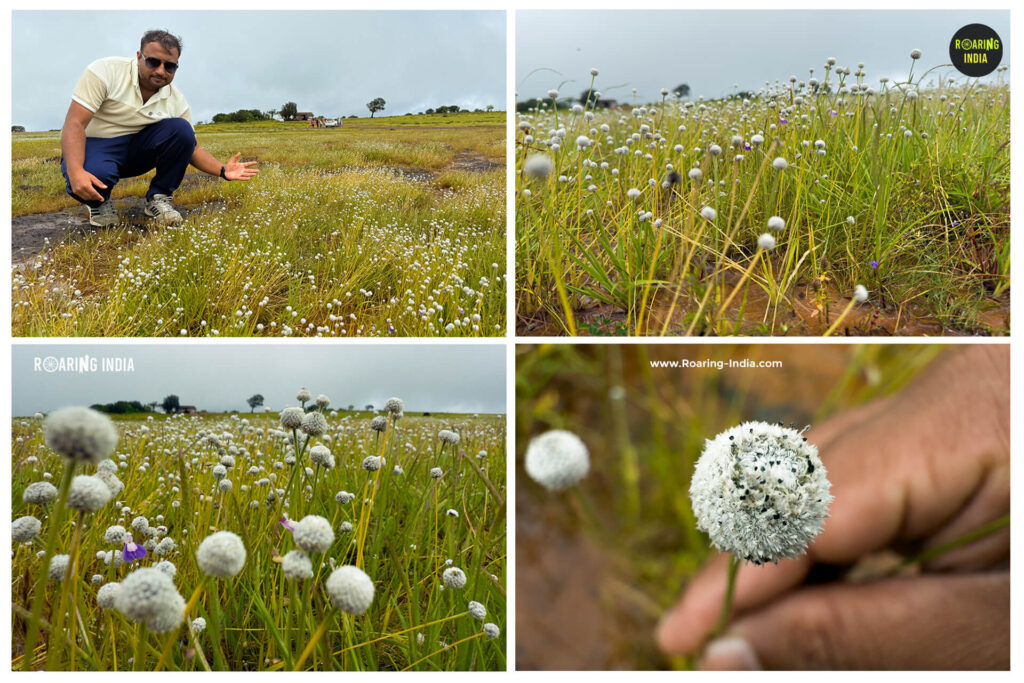
9. Gendu Grass / Dhangari Pheta (Pipeworts)

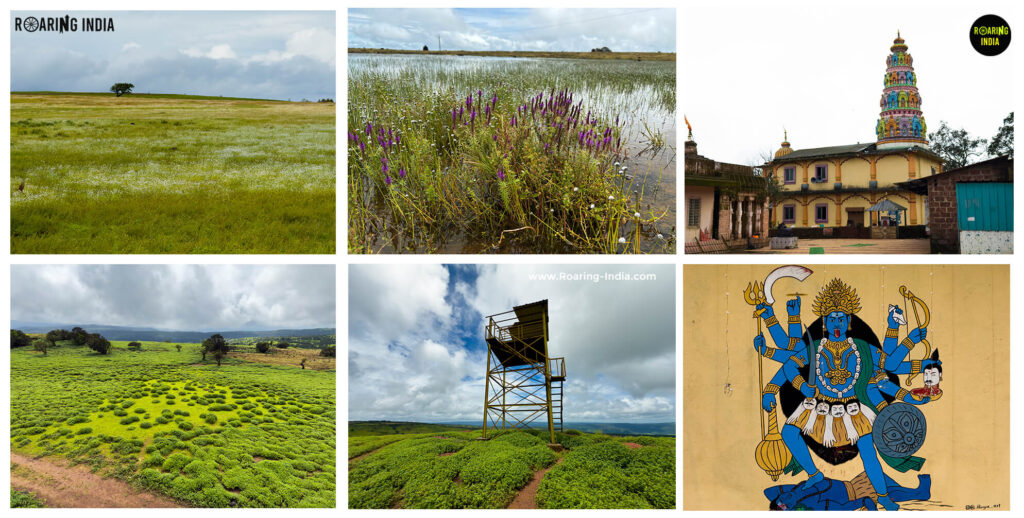
                      The Gendu Grass, also known as Pipeworts, transforms the Udgiri Plateau into a vast white ocean every September. These bright white flowers look like tiny cotton balls on long, slender stalks, earning the local Marathi name Dhangari Pheta because they resemble the traditional white turbans worn by the Dhangar shepherd community. When millions of them bloom together and sway through the misty monsoon valleys, they spread a giant white carpet over the landscape. This spectacular transformation looks as if snow has fallen across the entire plateau, making it one of Udgiri’s most unique visual treasures.

Gendu Grass Dhangari Pheta (Pipeworts)

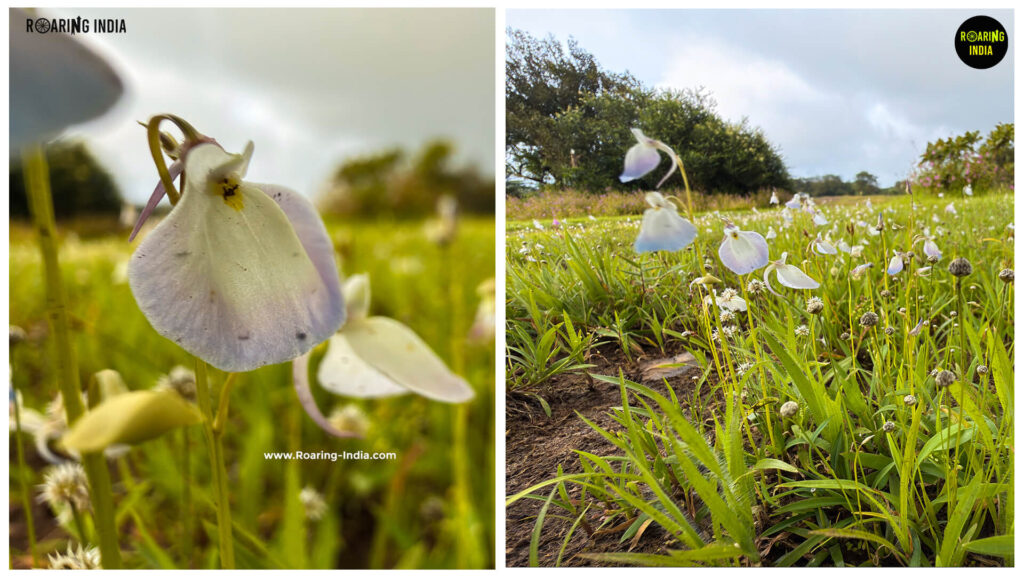
10. Sita's Tears Flowers

                 The magic of Udgiri is not hidden only in its large blooms; if you look closely at the ground between the grass, you will notice tiny, purple-blue flowers known in Marathi as Sitache Ashru, meaning Sita’s Tears. These delicate, teardrop-shaped blossoms thrive tucked away in the landscape. Their tiny size and unique, sorrowful form are likely the inspiration behind this beautifully poetic name.

Sita's Tears Flowers

11. Jambhali Manjiri (Pogostemon Deccanensis)

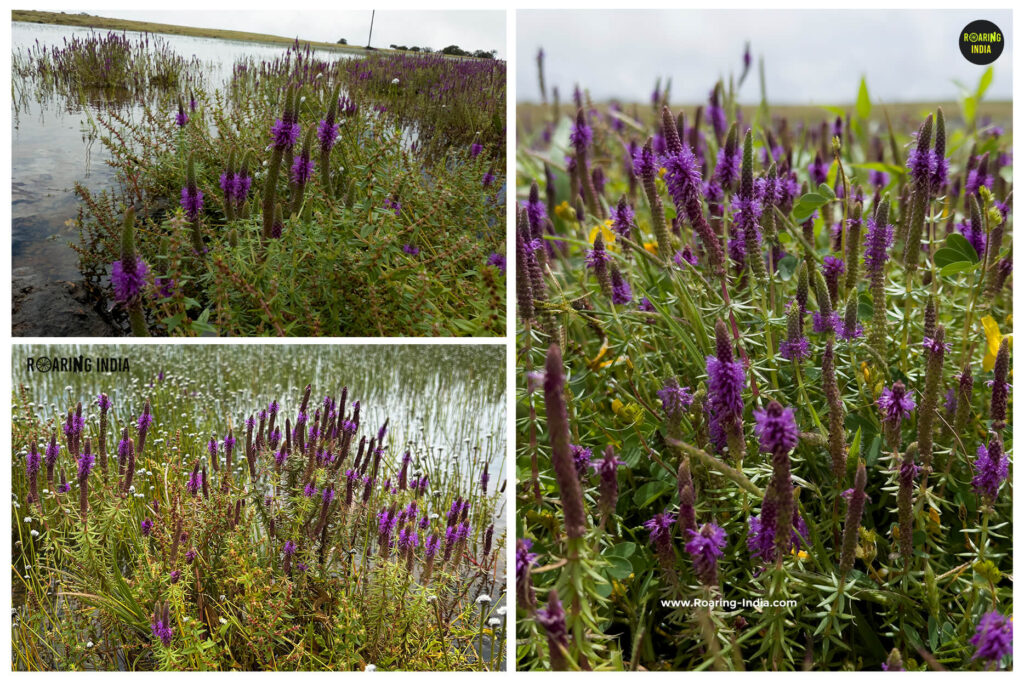
                    Decorating the edges of rainwater ponds on the Udgiri Plateau, Jambhali Manjiri (Pogostemon deccanensis), or the Deccan Shrub Mint, is an amphibious aquatic herb that brings the landscape to life. During the heavy monsoon, it remains completely submerged, looking like green cedar needles. As water levels fall, its branches emerge above the surface to bloom into bottlebrush-shaped, soft purple flower spikes. Because it belongs to the mint family, gently rubbing its leaves releases a wonderfully pleasant herbal fragrance. Set against green grass and white Pipeworts, this enchanting plant creates an incomparable natural canvas of color.

Jambhali Manjiri (Pogostemon Deccanensis)

12. Hairy Smithia / Mickey Mouse Flower

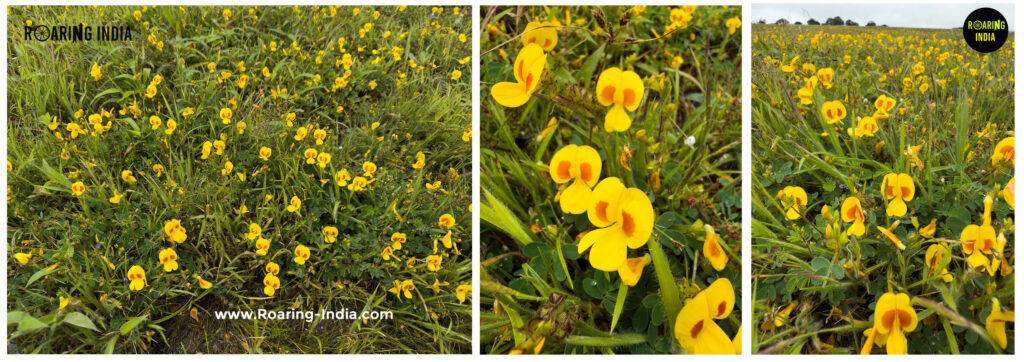
                      Spreading a golden carpet in every direction across the Udgiri Plateau, Hairy Smithia—locally known as Kavla—is one of the most famous seasonal flowers of the Western Ghats. After the monsoon rains, these bright yellow blossoms bloom in massive numbers, covering the landscape in a velvety blanket that looks like thousands of tiny pieces of the sun. The most charming feature of this flower is its two top petals, which look exactly like Mickey Mouse’s ears. This playful resemblance has earned it the affectionate nickname Mickey Mouse Flower among nature lovers and travelers alike.

Hairy Smithia Mickey Mouse Flower

13. Sonki Flower (Senecio Bombayensis)

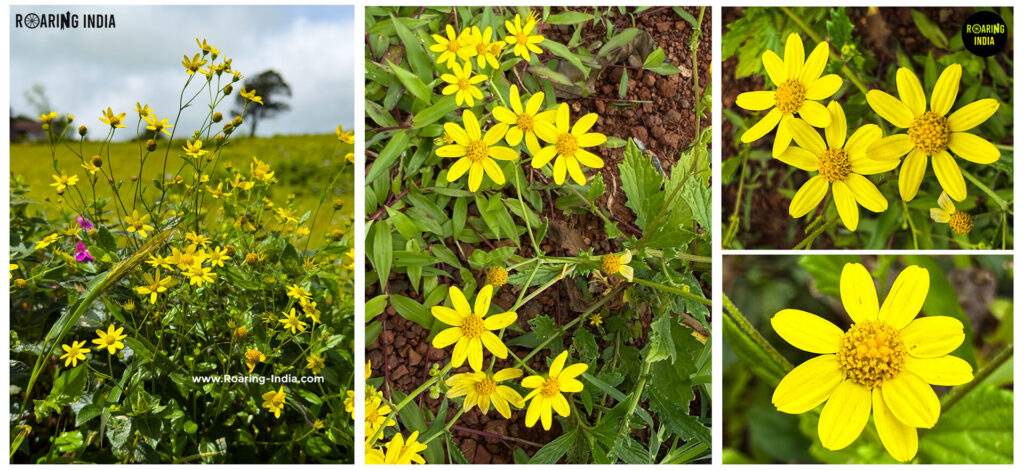
                   The Sonki flower (Senecio Bombayensis), also known as Graham’s Groundsel or Dudhi Vine, fills the Udgiri Plateau with a brilliant golden glow as the monsoon begins to recede. Commonly found across the rocky slopes and open plateaus of the Western Ghats, this annual herb features tiny, bright yellow blossoms that look exactly like miniature sunflowers. For local mountain communities, the dense yellow carpet it spreads between August and October carries deep cultural significance, acting as nature’s signal that the rains are departing and autumn is arriving. Turning entire landscapes vibrant yellow, it is fittingly celebrated as The Golden Flower of Sahyadri.

Sonki Flower (Senecio Bombayensis)

14. Jangli Neel (Eranthemum Roseum)

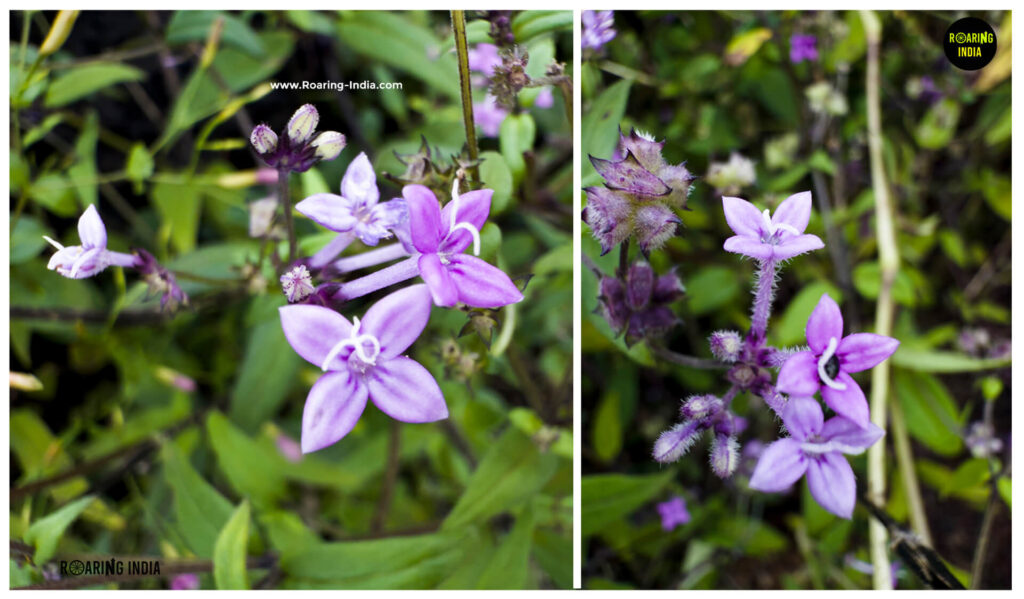
                  Walking through the plateau, we soon encountered Jangli Neel (Eranthemum Roseum), a valuable medicinal herb that spreads a striking blue-purple carpet across the rocky lands of the Udgiri Plateau. Known as Dashmuli in Ayurveda, this plant holds an important place in traditional medicine. Its roots are highly valued for their natural anti-inflammatory properties, making this vibrant blue blossom as useful as it is beautiful.

Jangli Neel (Eranthemum Roseum)

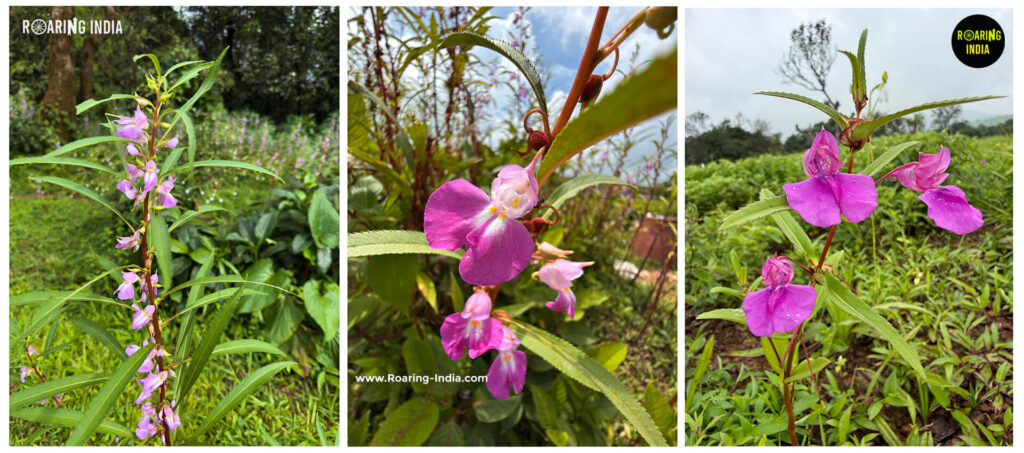
15. Gulmehandi / Terda (Impatiens Tomentosa)

                Thriving across the moist regions of the Udgiri Plateau, Gulmehandi (Impatiens tomentosa), locally known in Marathi as Terda and in English as Marsh Balsam, features bright magenta-pink flowers blooming between dense, serrated green leaves. The most fascinating trait of this sensitive plant is its explosive seed dispersal system, a nod to its scientific genus Impatiens, which literally means “impatient.” When mature, its seed pods build up immense internal tension; the moment a passing animal touches them or a single raindrop falls, the pods burst open like tiny firecrackers, throwing seeds several feet away in a wonderful display of natural engineering.

Gulmehandi Terda (Impatiens Tomentosa)

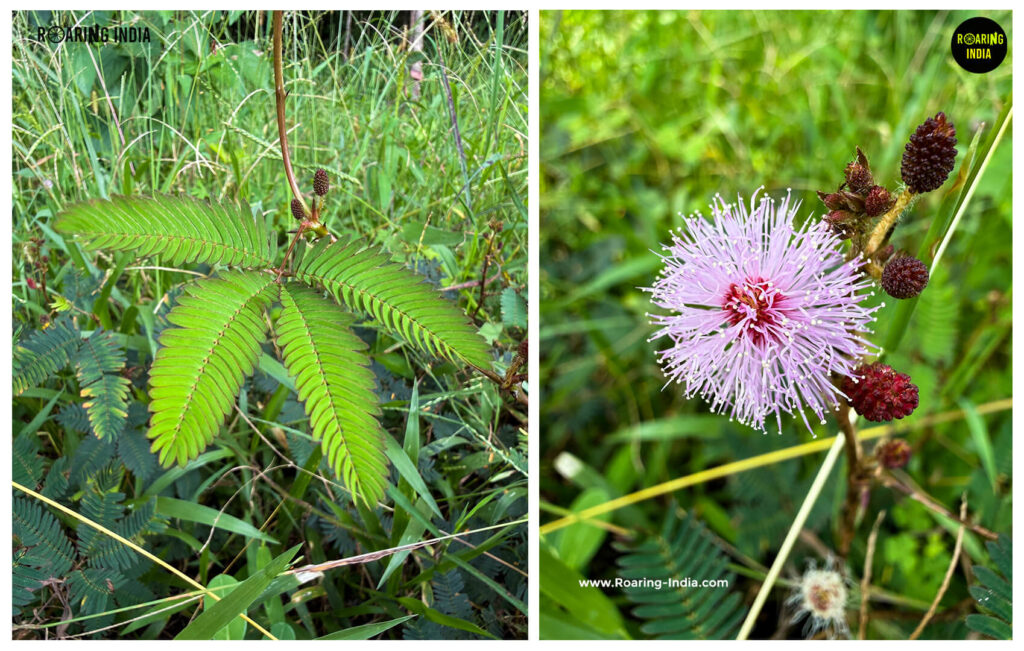
16. Touch-Me-Not plant (Mimosa Pudica)

                      Growing beside the road, the Touch-Me-Not plant (Mimosa Pudica), known in Hindi as Chhui Mui or Lajwanti, is easily recognized by its delicate green leaves and small, round pink or light purple flowers. Its most famous trait is its instant reaction to touch; within seconds, its leaves fold inward and the stem droops due to a sudden shift in cellular water pressure. Scientists believe this defense mechanism protects the plant from herbivores by making it look smaller and less appetizing. Beyond human touch, it reacts to strong winds, raindrops, and heat, and even follows a daily sleep cycle called Nyctinasty, automatically closing its leaves at nightfall and reopening them at sunrise.

Touch-Me-Not plant (Mimosa Pudica

Best Time to Visit Udgiri Pathar

                The best time to visit Udgiri Plateau is during the post-monsoon season (September to October), when thousands of wildflowers bloom across the grasslands. Ideal Visiting Time is 7:00 AM to 11:00 AM, when clouds, morning light, cool breeze, and blooming flowers create the most beautiful scenery. 

Best Time to Visit Udgiri Pathar

How to Reach the Udgiri Plateau?

How to Reach the Udgiri Plateau

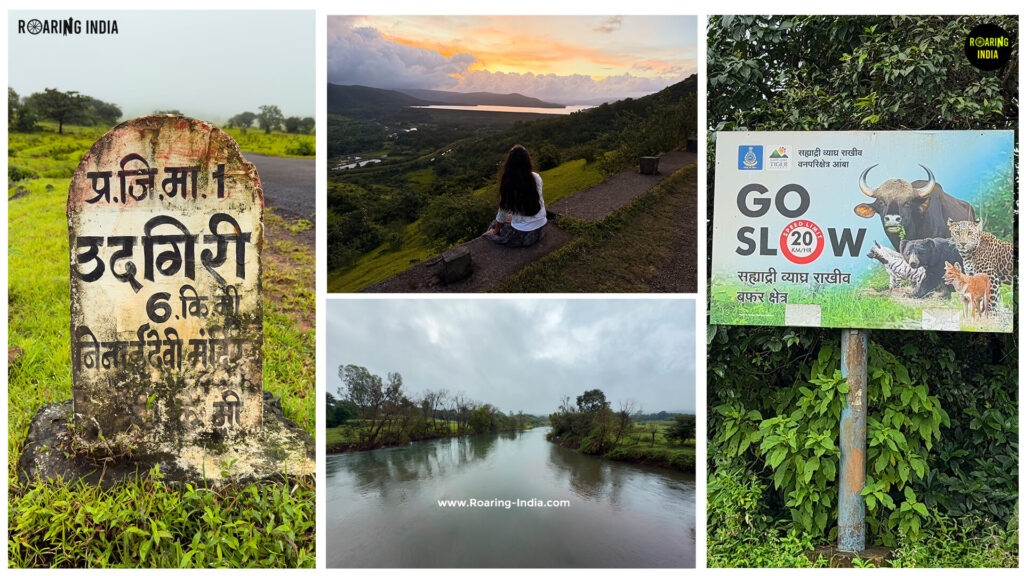
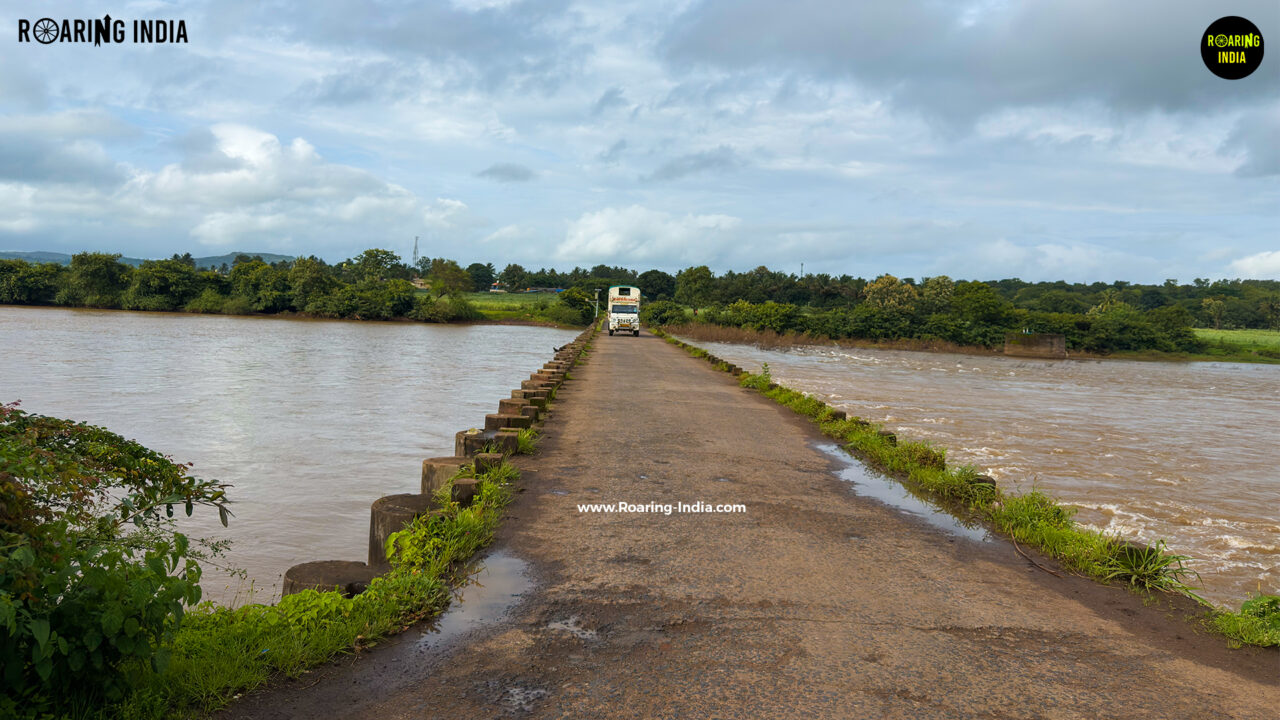
                   Udgiri Pathar is located near Udgiri Village in Shahuwadi Taluka of Kolhapur district, Maharashtra state, India. It is just 17 KM away from the Chandoli National Park and 75 KM from the Kolhapur city. The easiest way to reach Udgiri Plateau is by private car or motorcycle. After reaching Arala Village, take the Shittur–Udgiri Road, which directly leads to the plateau. This scenic route passes through forests, mountains, and the beautiful Warna River. The plateau is mostly explored by walking along village roads and grassland trails while stopping to observe wildflowers and viewpoints. 

Arala Village → Shittur Village → Udgiri Plateau 

Google Map Link – Udgiri Plateau

Travel Film of Udgiri Pathar

Trek or Entry Information

  • Entry Time –> 6:00 AM
  • Exit Time –> 6:00 PM  
  • Entry Fee –> No entry fee
  • Car Parking Fees –> No official parking fee  
  • Walking Distance –> Approximately 4–5 km across the plateau.
  • Trek Difficulty –> No Trek
  • Time Required –> 3–5 hours for complete exploration
Trek or Entry Information

Nearest Tourist Places to Udgiri Pathar

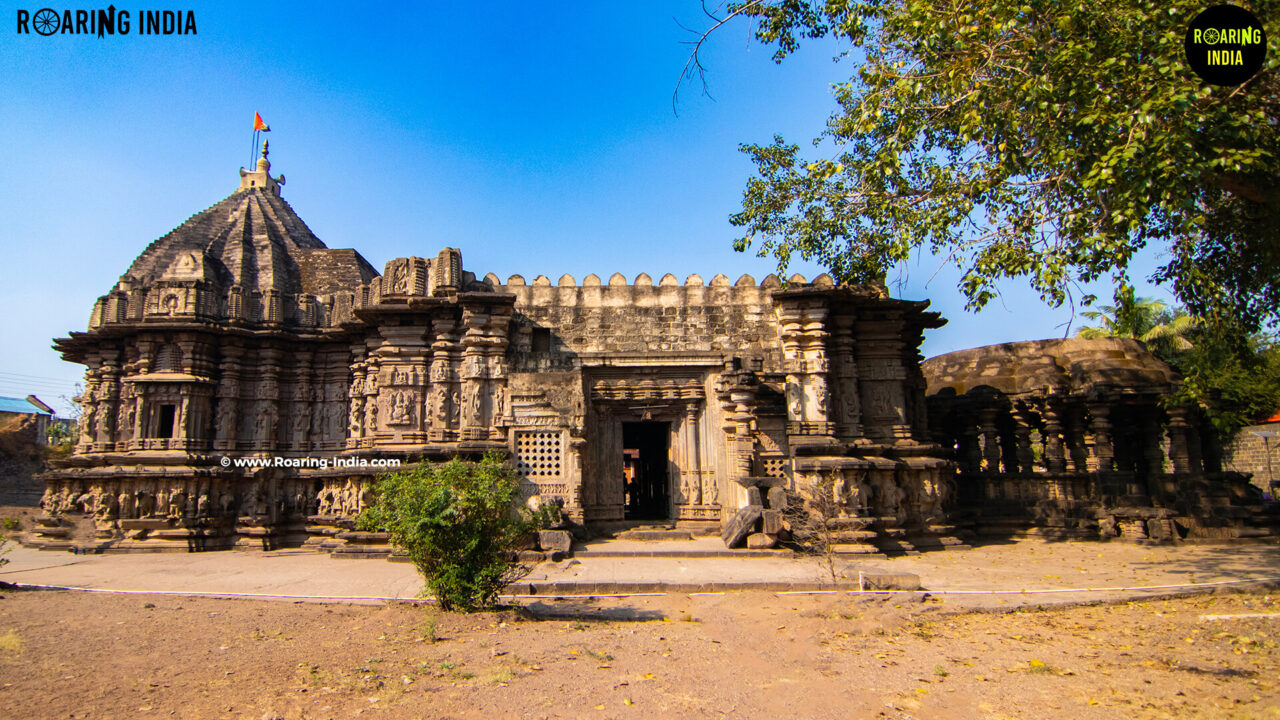
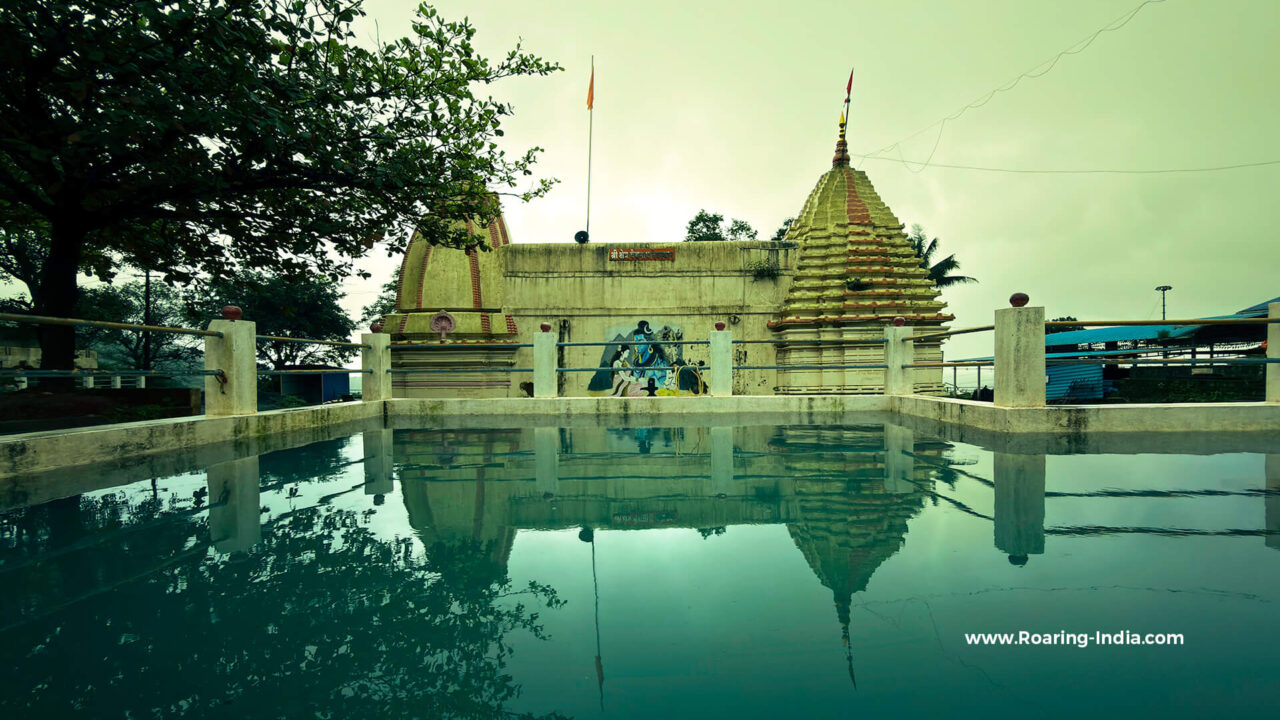
1) Kalamma Devi Temple (7 KM)
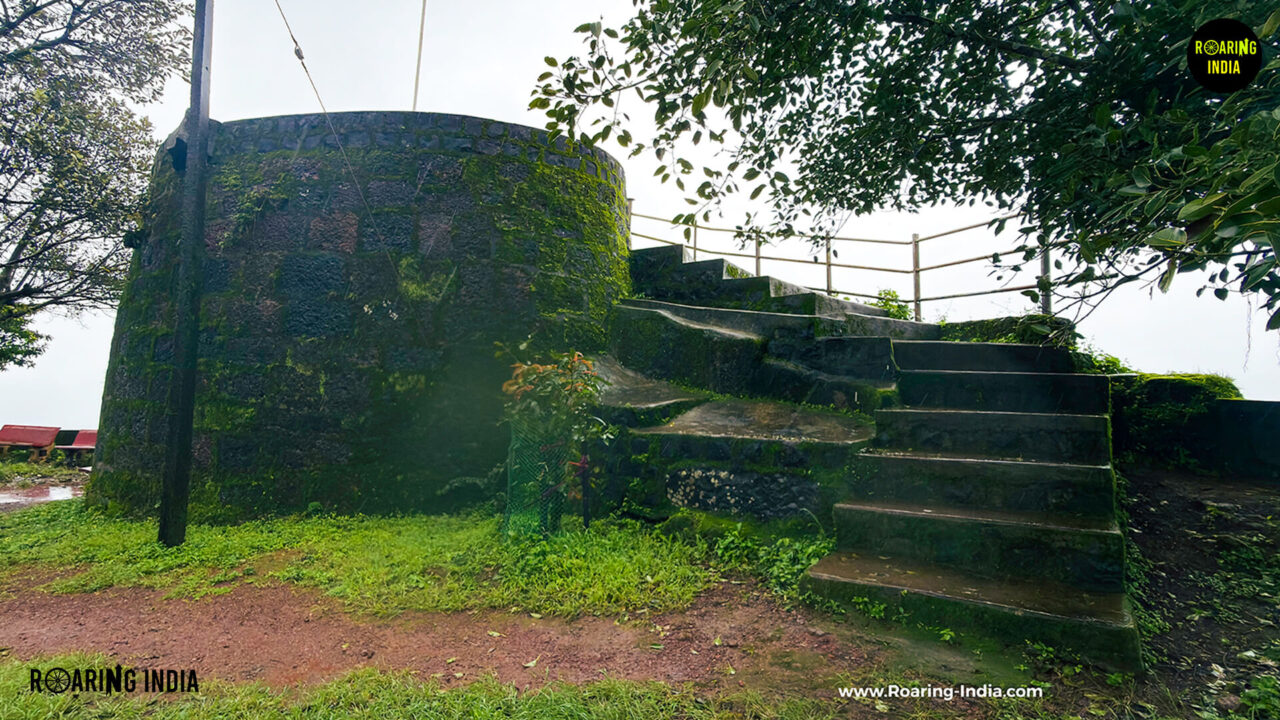
2) Chandoli National Park (17 KM)
3) Chandoli Dam (17 KM)
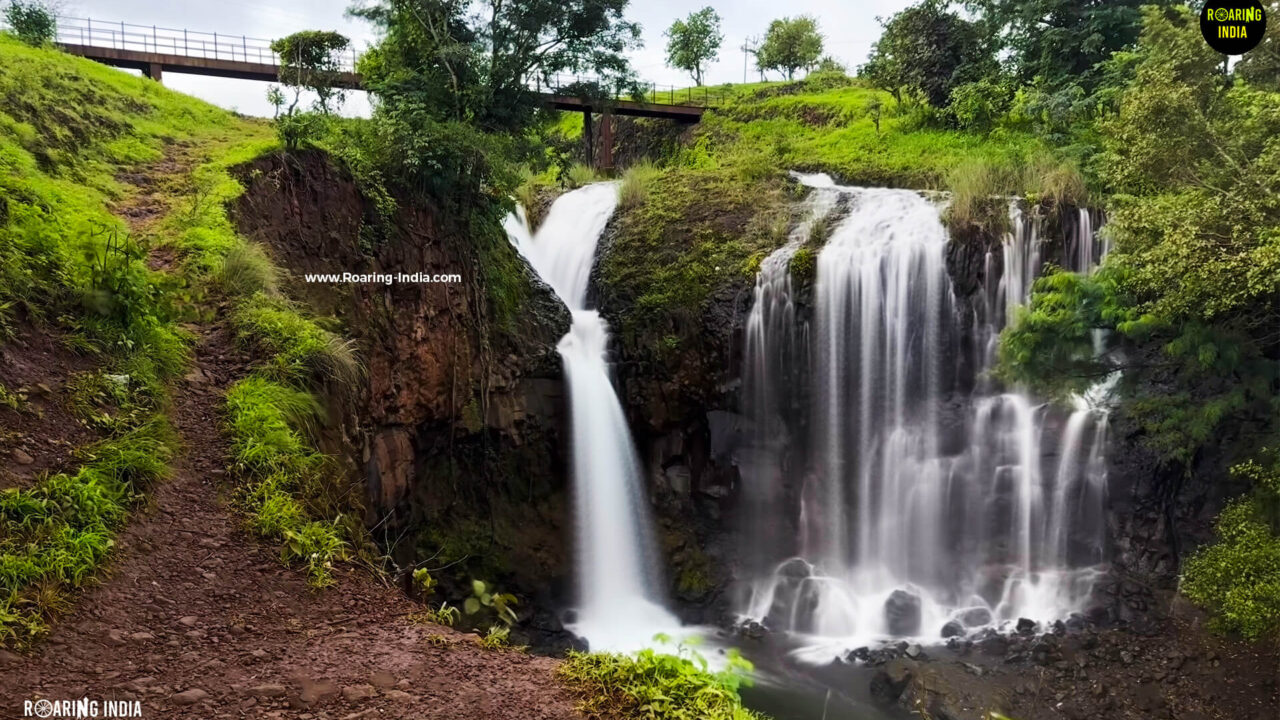
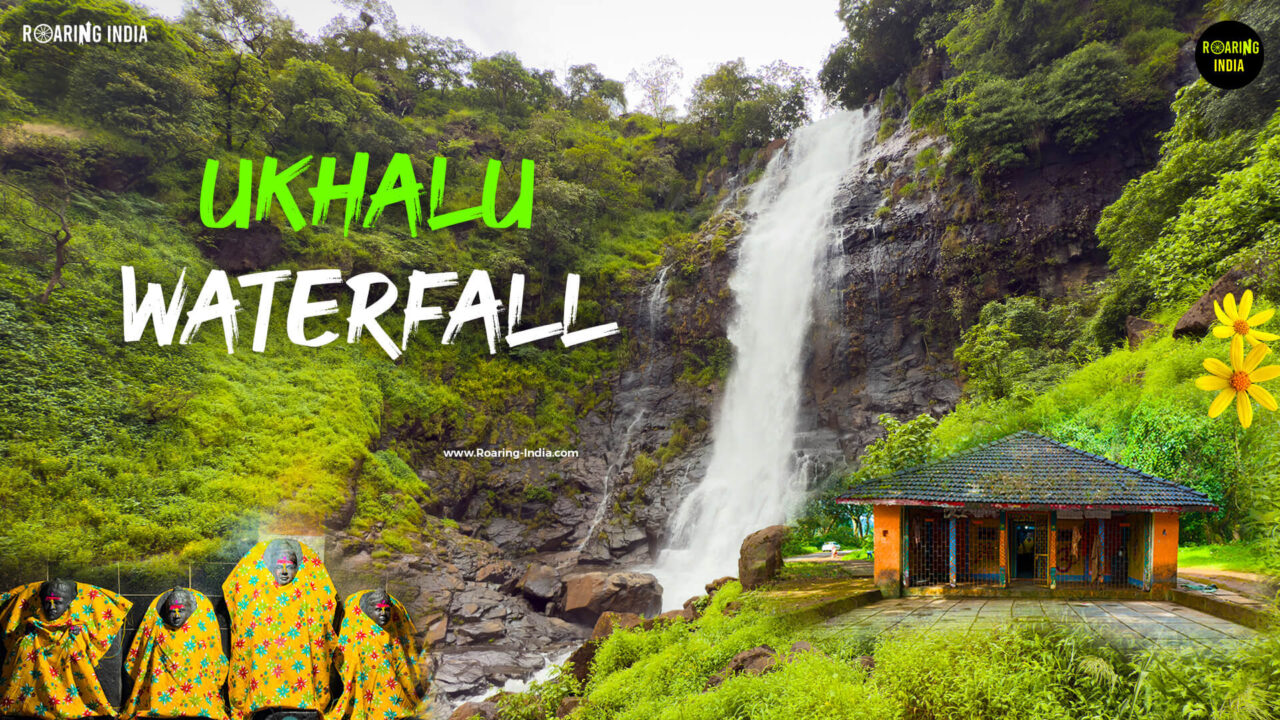
4) Ukhalu Waterfalls (19 KM)
5) Gudhe-Panchagani Pathar (24 KM)

Safety Rating

1.5
Rated 1.5 out of 5

Travel News on Udgiri Pathar

Copyright and Trademark Warning 

Complete Rights of all Images, Videos, Films, and Articles published on www.Roaring-India.com are fully Reserved by Roaring Creations Private Limited and Roaring India Project (Satishkumar, Shrikant, and Mayashree). All Commercial Rights of our content are registered and protected under Indian Copyright and Trademark Laws. Re-publishing our content on Google or any other social media site is a copyright and Trademark violation crime. If such copycats are found to us, then we legally punish them badly without showing any mercy and we also recover happened loss by such copycats only. The minimum amount of fines will be more than 10 crores.